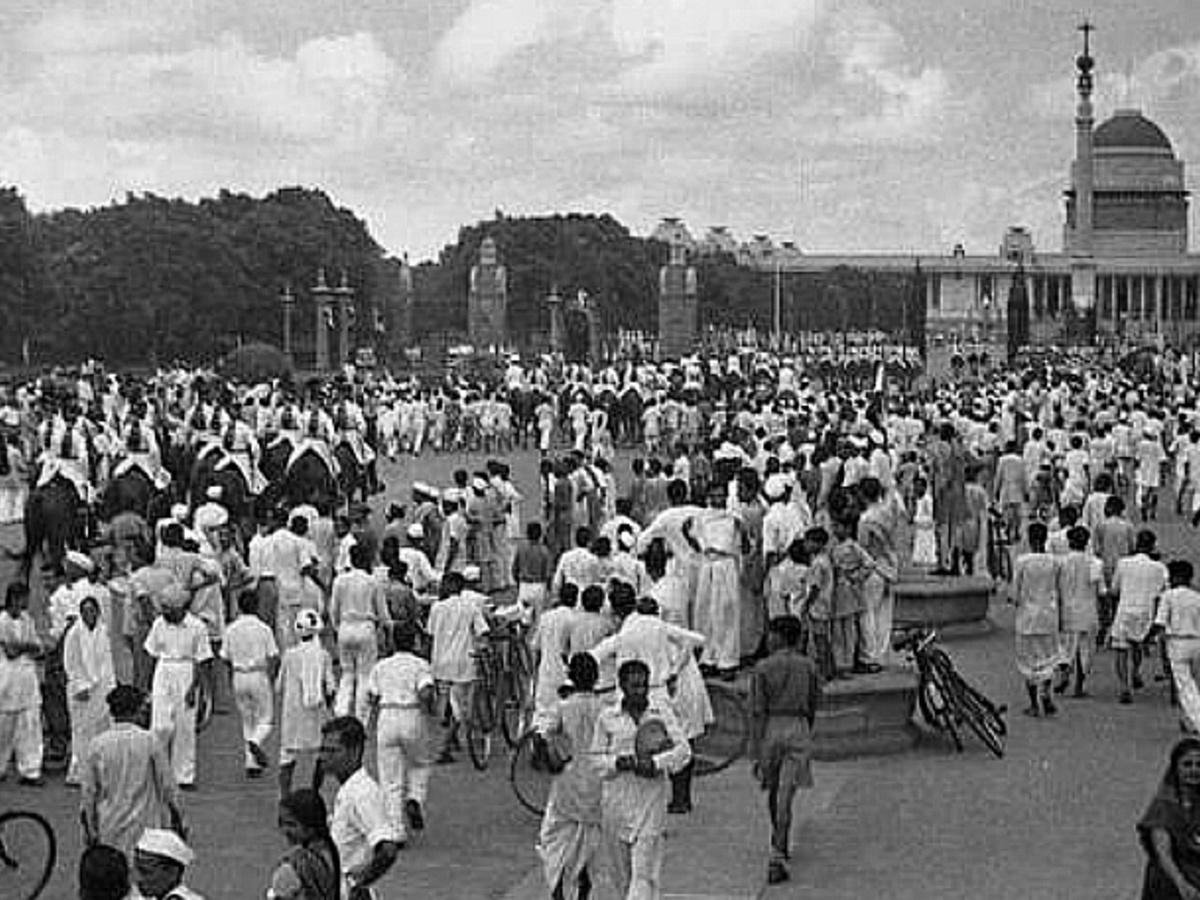
Emerging from the dust of partition, India’s real estate sector has mirrored the nation’s remarkable ascent. It’s a tale etched in brick and mortar, reflecting socio-economic shifts, policy reforms, and a dash of technological disruption. In the early years, scars of partition and a pastoral focus kept growth shackled. Resources were scarce, infrastructure rickety, and the priority lay in rebuilding a fractured nation.
Scarred by partition, India’s early days echoed with rebuilding, not blueprints before 1990. Real estate wasn’t about chrome towers, but mending lives. Scarce resources, tight budgets, and a nation stitching itself back together defined the time. Cities stuck with their agrarian roots, homes built for utility, not vanity. Government agencies, not flashy corporations, were the developers, churning out basics for a burgeoning population. Luxury? A whisper lost in the corridors of post-independence India. But, seeds of change were sown, liberalization waiting to bloom. This wasn’t an era of architectural feats, but laying the bricks for the coming real estate boom.
The 1990s, like a burst of sunlight, ushered in liberalization. Foreign investment surged, infrastructure bloomed, and cities pulsated with the rhythm of urbanization. This urban tango fueled demand for living and working spaces, propelling real estate into a dynamic new era.
As the 21st century dawned, a dream for inclusive growth took root. “Housing for All” became the mantra, with schemes like Pradhan Mantri Awas Yojana tackling the housing shortage. Developers waltzed to the tune of changing needs, focusing on affordable and mid-segment homes, and transforming skylines with a mosaic of accessible dreams.
But rapid urbanization demanded a smarter step. Enter the “smart city” concept, a futuristic vision of innovation and sustainability. Eco-friendly designs and green building practices sprouted, aligning with global environmental concerns. Technology, the ever-present dance partner, waltzed seamlessly into urban planning, marking a paradigm shift.
Disruption, the name of the 21st century, didn’t spare real estate. Proptech, a flamboyant newcomer, transformed how we buy, sell, and manage property. Virtual reality offered peek-a-boos into future homes, while AI streamlined transactions, and blockchain, the ever-vigilant chaperone, ensured security.
Meanwhile, like energetic teenagers, the IT and service sectors demanded their own dance floor. Commercial real estate boomed, catering to their vibrant needs. Tech parks and co-working spaces became the new discotheques, redefining the market with their sleek moves.
But even the most graceful waltz encounters stumbles. Project delays, liquidity woes, and eroded trust cast a shadow. The government, a responsible chaperone, stepped in with RERA, a regulatory act designed to protect home buyers and bring transparency to the dance floor.
As we peer into the future, demographic shifts, economic reforms, and global trends will be the DJs calling the shots. Sustainable and inclusive development, the new chart-toppers, will likely define the sector’s next moves. REITs, the rising stars, promise a more secure and balanced market, while affordable housing remains the evergreen classic, ensuring everyone gets a chance to spin on the dance floor.
From a fledgling industry struggling to find its footing to a dynamic sector embracing innovation, India’s real estate journey is a testament to the nation’s resilience and adaptability. As the sector continues to evolve, a harmonious blend of tradition and technology will be the key to shaping its future, ensuring that the Indian real estate waltz remains a captivating spectacle for years.